


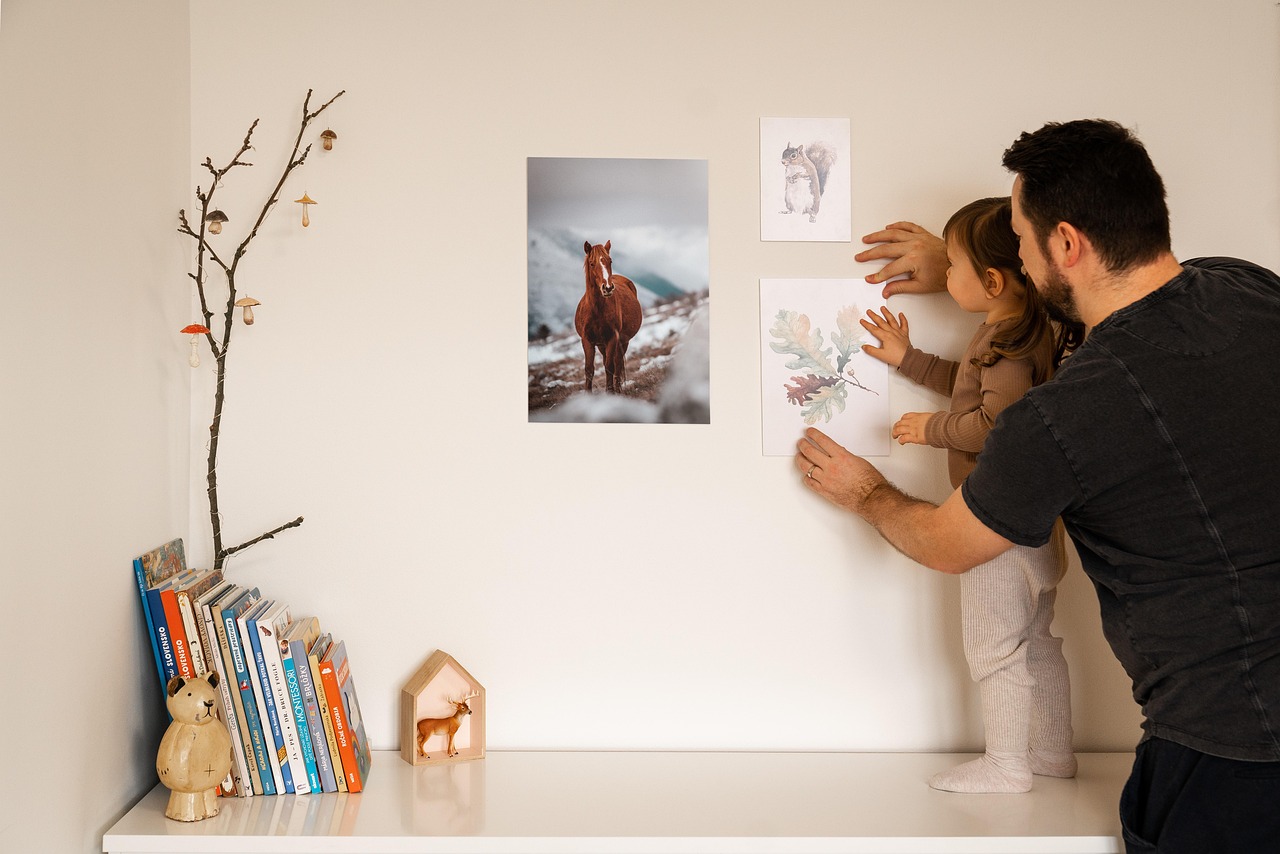
When it comes to creating a warm and stylish home, wall art plays one of the most important roles. Learning how to home decor wall art can help you turn empty walls into inspiring focal points that reflect your personality. Whether you’re decorating a living room, bedroom, or office, the right artwork can make your space feel complete.
1. Choosing Art That Reflects Your Personality
The first step in learning how to home decor wall art is to consider what inspires you. Do you prefer minimalist black-and-white sketches, vibrant abstract paintings, or sentimental personalised prints? Choosing art that reflects your story ensures your decor feels authentic.
Here are a few examples:
- Minimalist Style
If you love clean lines and neutral colors, choose black-and-white sketches, line art, or abstract geometric designs. For example, a single modern sketch above a sofa adds elegance without cluttering the room. - Bohemian Style
If your home has earthy tones, plants, and cozy textures, pick colorful watercolour art or mixed media designs. For instance, a bright, abstract watercolour print can become the centerpiece above a rattan armchair. - Classic & Elegant Style
If you prefer timeless interiors with wooden furniture and traditional accents, opt for oil painting-style prints. Imagine a family portrait turned into a painted canvas – it instantly adds sophistication. - Playful or Pop Style
If you love bold colors and fun energy, go for pop art prints. A vibrant pop-art pet portrait in a dining room or office can bring a modern, joyful vibe.
2. How to Home Decor Wall Art by Size and Placement?
Size matters when it comes to wall art. A large canvas makes a bold statement above a sofa or bed, while smaller prints work well in gallery walls. When thinking about how to home decor wall art, always balance proportions with furniture and negative space.
Here are some tips for creating harmony:
- Above Furniture (Sofa, Bed, Console Table)
A simple rule is that the wall art should be about two-thirds the width of the furniture it hangs above. For example, if your sofa is 180 cm wide, the canvas or arrangement of prints should measure around 120 cm across. This creates balance and prevents the art from looking “lost” or overwhelming. - Negative Space Matters
Don’t feel the need to cover every inch of the wall. Leaving breathing room around your art makes the piece stand out more. For instance, a watercolor portrait above a bed looks more elegant if it’s centered with space around it instead of touching the edges of the wall. - Gallery Walls vs. Statement Pieces
If you’re going for a gallery wall, balance the layout by aligning the center of the collection with the eye level (about 145–150 cm from the floor). If you prefer a single large statement piece, make sure it anchors the space, like a bold pop art print centered above a modern sofa. - Vertical vs. Horizontal Spaces
In tall, narrow walls (like hallways), vertical formats like a modern sketch or a series of smaller prints stacked work best. In wider spaces, horizontal pieces like panoramic oil-style prints bring balance.
3. Create a Gallery Wall With Personalised Prints
One of the most popular ways to decorate with wall art is by designing a gallery wall. Combine framed photos, posters, and illustrations to tell a story. Personalised wall art, such as custom prints from your own photos, makes this idea truly unique.
4. Home Decor Wall Art With the Right Colors
When considering how to home decor wall art, look at the colors already present in your room. Match or contrast tones to create harmony. For example, soft pastel watercolours enhance a calming bedroom, while bold pop art fits a modern, playful living room.
5. Add Meaning to Your Walls With Personalised Art
Custom wall art brings a unique touch no store-bought piece can match. Turn a wedding photo into a sketch-style print or transform your pet’s picture into a colourful painting. These pieces make your walls not only stylish but also meaningful.
Final Thoughts
Mastering how to home decor wall art is about blending style, personality, and creativity. By choosing the right size, mixing styles, and adding personalised prints, you can transform your walls into a reflection of who you are.
✨ Ready to start? Explore personalised wall art options that bring your memories to life and make your home truly yours.
In case you’re trying to figure out “what season am I” in terms of seasonal color analysis, starting with your skin tone and undertone is key. For example, a deep summer color palette functions great for those with an olive skin tone or yellow undertone skin, blending cool and muted shades that complement colors like deep blues and soft roses. Utilities like the colour analysis app or an online quiz can simplify this process, presenting insights into skin tone charts and vein test undertones to help identify your best colors, whether it’s the soft summer color palette, deep winter color palette, or light spring color palette. For a handy guide, check out [url=https://coloranalysisfree.org]deep winter colour palette[/url] to discover palettes and analysis tips personalized for various skin tones such as amber skin tone, pale skin, or warm beige skin tone.
It’s also useful to consider advanced options like color analysis pro for a more extensive breakdown; though some users investigate how to cancel subscription plans if they want to experiment with the service before subscribing fully. Whether you’re curious about the best colors for pale skin or want to identify the right clothing colors for yellow skin tone females, learning your seasonal color palette can really elevate your wardrobe choices. Zero-cost color analysis tools, apps, and quizzes provide a great starting point to explore skin color types and identify flattering hues that harmonize with your natural coloring, from deep summer celebrities to those with reddish undertone skin.